
Exploring the psychology behind casino games and player behavior
The Thrill of Chance
The psychology of casino games is intricately tied to the thrill of chance. Players are often drawn to the unpredictable nature of games like slots and roulette, where every spin or roll can lead to a significant win or loss. This uncertainty creates a rush of adrenaline, which many players find irresistible. The potential for a large payout engages both the emotional and cognitive processes, making the gambling experience deeply rewarding, despite the risks involved. Many seek out the best casino sites not on gamstop that guarantee safe and exhilarating gameplay.
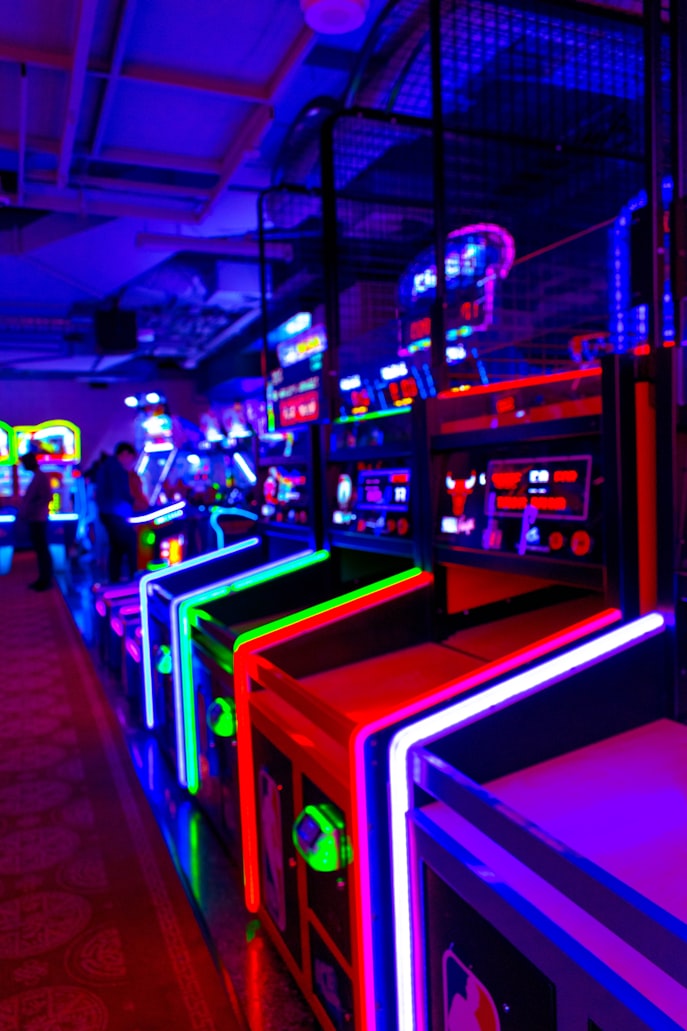
This thrill can be understood through concepts like variable reinforcement. When players experience wins, especially large ones, their brains release dopamine, a neurotransmitter associated with pleasure and reward. This chemical reaction reinforces the behavior, prompting players to return for more, hoping for that next big win. Thus, the cycle of play continues, driven by both excitement and the psychological compulsion to chase losses.
The Role of Cognitive Distortions
Cognitive distortions play a significant role in how players perceive their chances of winning. Many gamblers exhibit a phenomenon known as the “gambler’s fallacy,” where they believe past outcomes influence future results. For instance, if a slot machine hasn’t paid out in a while, players might think it’s “due” for a win. This misunderstanding of probability can lead to increased gambling behavior, as players chase perceived favorable outcomes.
Furthermore, many players exhibit overconfidence in their abilities. They believe their strategies or skills can influence the outcome of games that are fundamentally based on luck. This leads to riskier bets and more significant losses, as players become increasingly engrossed in their gameplay, often ignoring the odds stacked against them. Understanding these cognitive biases is crucial for both players and casino operators aiming to create a responsible gaming environment.
Social Dynamics in Casino Settings
Casino environments are designed to be social hubs, and the social dynamics within these spaces can deeply affect player behavior. The presence of fellow gamblers can amplify excitement and create a sense of camaraderie, leading to longer play sessions. Players often feed off each other’s energy and emotions, which can lead to an even more intense gaming experience.
Moreover, casinos employ various strategies to enhance social engagement, such as creating communal spaces, offering complimentary drinks, and hosting events. These elements work in tandem to keep players in the casino longer, fostering an environment where they feel connected and engaged. This social aspect can sometimes overshadow the financial risks, as players become more focused on the experience rather than the costs associated with their gameplay.
The Impact of Design and Environment
The design of a casino is specifically crafted to manipulate player behavior subtly. From the layout of the gaming floor to the colors and sounds used, every element is chosen with psychological impact in mind. For instance, the absence of clocks and windows helps players lose track of time, allowing them to play longer without considering the consequences.
Moreover, the use of bright lights and enticing sounds creates a stimulating atmosphere that can heighten excitement. The design of individual games also plays a significant role, as the aesthetics and user interface are tailored to enhance engagement and keep players coming back. Understanding these environmental factors is vital for both players and casino operators, as they shape the overall gambling experience.

Ensuring a Safe Gambling Environment
In light of the psychological influences at play in casinos, it is essential to promote a safe gambling environment. Operators are increasingly aware of their responsibility to ensure that players are informed and protected from potential gambling-related harm. This involves implementing measures such as providing resources for responsible gaming, offering self-exclusion options, and training staff to recognize signs of problem gambling.
Additionally, the integration of technology can enhance the safety of the gaming experience. For example, online platforms offer players the ability to track their spending and set limits on gaming time. Such features can help maintain a balance between enjoyment and risk, fostering a healthier relationship with gambling. As both the industry and players become more aware of these issues, the focus will shift towards creating sustainable and responsible gambling practices.